Heart Failure Guide

Jun 30, 2010 No Comments by Media Partners

This article tells you how and why heart failure effects your body. It also tells how to respond to symptoms and what to expect from treatment. By working with your health care team and learning how to manage your condition, you may live longer and improve the quality of your life. The more you know the more you can get involved.

Health A to Z Keep Reading

Screening Test and Immunizations for Women

Jun 30, 2010 No Comments by Media Partners

Screening tests, such as checking blood pressure, can find diseases early when they are easier to treat. Some women need certain screening tests earlier, or more often, than others. Talk to your practitioner about which of the tests listed below are right for you, when you should have them, and how often. The following recommendations have been made based on scientific evidence, about which screening tests you should have.

Health A to Z Keep Reading

Thrombophlebitis

Jun 30, 2010 No Comments by HealthWriter

The term thrombophlebitis means inflammation of the veins due to blood clots. Thrombophlebitis is generally found in the legs, but can occur in the hands or arms due to IV insertion. Thrombophlebitis can be of two types; superficial thrombophlebitis and deep vein thrombosis.
When the clot forms in the veins, which are near the surface of [...]

Health A to Z Keep Reading

Whooping Cough (Pertussis)

Jun 26, 2010 No Comments by HealthWriter

Whooping cough or pertussis is a serious, contagious infection of the respiratory tract caused by the bacteria Bordetella pertussis that attacks the lining of the breathing passages which leads to inflammation and narrowing of the airways. Though it can affect anyone, it generally affects infants and children less than 4 years of age who are [...]

Health A to Z Keep Reading

Gestational Hypertension (pregnancy induced hypertension)

Jun 25, 2010 No Comments by Media Partners

This article is for women who may get or already have gestational hypertension (PIH), sometimes called Preeclampsia or Toxemia. This disease affects about 5 to 10% of all pregnant women. If you are one of them, you should learn as much as you can about it so you can help your health care provider keep you and your baby healthy.

Pregnancy Keep Reading

Brain Injury Guide

Jun 23, 2010 No Comments by Media Partners

This guide will help families and friends understand acquired brain injuries. Acquired brain injuries are injuries other than those someone is born with (congenital). Acquired injuries include strokes, traumatic brain injury (TBI), anoxic events, and hemorrhage.

Health A to Z Keep Reading

Knee Arthroscopy

Jun 14, 2010 1 Comment by Media Partners

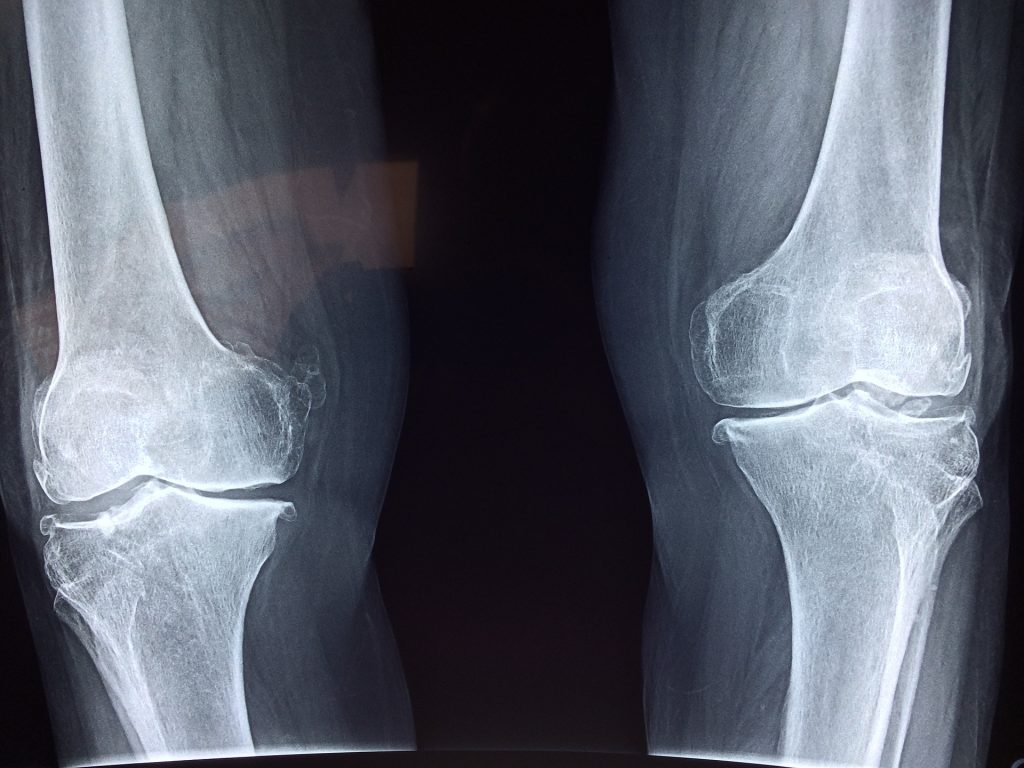
Knee arthroscopy is a popular method to diagnose, monitor and treat knee problems. Arthroscopy is used to treat meniscus and ligament injuries, wear and tear problems and problems with the kneecap. It typically causes much less pain than other kinds of surgery. Healing time can be much shorter, patients usually go home on the same day. Also, it leaves small scars.

Surgical Care Keep Reading

Breast Reduction (Reduction Mammoplasty)

Jun 13, 2010 No Comments by Media Partners

Breast reductions are usually performed on women whose breasts are fully developed. Only in cases of severe physical discomfort would breast reduction be performed on very young women whose breasts are still developing. The best candidates are women mature enough to understand the entire surgical procedure and who have realistic expectations of the results.

Surgical Care Keep Reading

Complications of Knee Replacement Surgery

Jun 10, 2010 No Comments by Media Partners

As with all major surgical procedures, complications can occur. The most common complications following knee replacement are: thrombophlebitis, Infection in the joint, stiffness of the joint, and loosening of the joint.

Surgical Care Keep Reading

Knee Replacement Surgery

Jun 10, 2010 No Comments by Media Partners

The purpose of a knee replacement is to replace a diseased or damaged knee to restore pain-free movement in the joint. The surgery involves the bones, ligaments, muscles, cartilage and bursa that form the knee. You can expect complete healing without complications and recovery from surgery in about 6 months.

Surgical Care Keep Reading