Is It OK For A Dog to Eat Chocolate?

Oct 30, 2010 No Comments by Media Partners

When dogs eat chocolate it can make them so sick they need to see a vet. If they eat enough—they can even die. Chocolate contains theobromine and caffeine which are both stimulants that can speed up their heart rate, increase their blood pressure or cause irregular heart rhythms. Miss Gracie already has an irregular heart rhythm, and chocolate could be especially harmful to her.

Health A to Z Keep Reading

101 Activities You Can Do When the TV is OFF!

Oct 27, 2010 No Comments by Media Partners

Did you know that kids spend about 4-6 hours everyday sitting in front of a screen? Considering kids get home from school about 3 o’clock and go to bed around 9—that means they maybe watching TV, be on the computer or playing video games from the time they get home until they go to [...]

Healthy Living Keep Reading

Preventing Lung Problems After Surgery and General Anesthesia

Oct 25, 2010 No Comments by Media Partners

There are many kinds of surgery done under general anesthesia. With general anesthesia, you’re “put to sleep” and your breathing is slowed down and the breaths you take are not as deep as you normally take when you are up and active. This puts you at risks for lung and breathing complications like pneumonia. By doing breathing exercises you can help prevent these complications.

Surgical Care Keep Reading

Lateral Epicondylitis (Tennis elbow)

Oct 25, 2010 No Comments by Media Partners

Lateral Epicondylitis is a common condition that causes pain at the outside of the elbow. Tennis is not the only cause of this condition, but tennis players do get the condition often as a result of overuse of the muscles/tendons used in hitting a backhand shot.

Health A to Z Keep Reading

Minimally Invasive Total Hip Replacement

Oct 21, 2010 1 Comment by Media Partners

In recent years many patients have been treated with minimally invasive total hip replacements. The primary difference between minimally invasive and conventional approaches is how the surgeon exposes and gains access to the hip joint. With the conventional approach, the incision is 10-16 inches long, whereas minimally invasive incisions are one or two small incisions about 4 inches long; one incision is for the acetabular component and one is for the femoral component.

Surgical Care Keep Reading

Guyon’s Canal Syndrome

Oct 20, 2010 1 Comment by Media Partners

Guyon’s Canal Syndrome is a common nerve compression affecting the ulnar nerve as it passes through a tunnel in the wrist called Guyon’s canal. This syndrome is much less common than Carpal Tunnel Syndrome (CTS), but may be present along with CTS.

Health A to Z Keep Reading

Anatomy of the Foot and Ankle & Common Problems

Oct 17, 2010 1 Comment by Media Partners

The foot is incredibly complex. This introduction to the anatomy of the foot and ankle will be very general and highlight the main structures. The bones of the foot and ankle begin with the ankle joint itself. The ankle joint, talocrural joint, is formed where the leg meets the foot.

Anatomy & Function Keep Reading

Patella Problems and Injuries

Oct 12, 2010 1 Comment by Media Partners

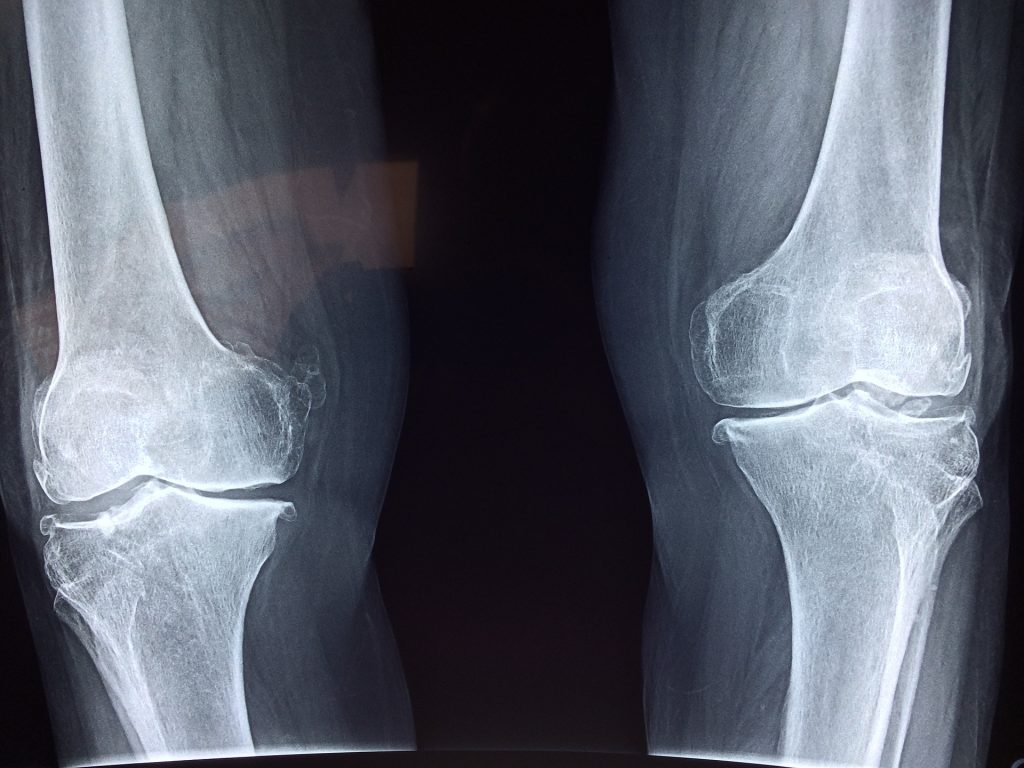
The patella, or kneecap, is the loose, moveable bone on the front of the knee. The patella is a link between the pelvis, hip, and foot. The patella is part of the extensor mechanism of the leg; the extensor mechanism acts as a stabilizer when we straighten our leg. The patella gives power to the quadriceps muscle on the front of the leg.

Health A to Z Keep Reading

Meniscus Tears

Oct 12, 2010 No Comments by Media Partners

A torn meniscus is a common injury in the knee. A tear can happen in any age group. In young people, the meniscus is fairly tough, and tears usually happen from a very forceful twisting injury. In older people, the meniscus has grown weaker with age, and tears of the meniscus can happen from a minor injury, such as the simple motion of squatting.

Health A to Z Keep Reading

Medial and Lateral Collateral Ligament Injuries

Oct 12, 2010 No Comments by Media Partners

The collateral ligaments stabilize the knee by limiting side-to-side movement of the tibia and femur. Ligaments are not meant to be very elastic. If the collateral ligaments are forced to stretch too far, they can tear. The medial collateral ligament can tear in the middle of the ligament, where the medial collateral ligament attaches to the tibia, or where the medial collateral ligament attaches to the femur.

Health A to Z Keep Reading